
Eye Exam
Comprehensive eye exams in Lake Worth to check vision, update prescriptions, and monitor eye health with personalized care for every age.
Learn about an Eye Exam
What Happens in an Eye Exam?
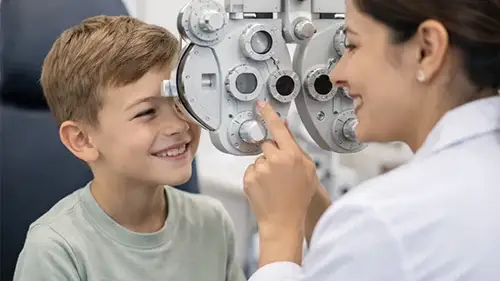
Most exams include a few different tests, but there is nothing to be nervous about. The process is straightforward, and we guide you through each step along the way. Our goal is to make sure you feel informed, relaxed, and confident while we evaluate your vision and check for signs of common eye conditions. In many cases, a comprehensive eye exam can help identify concerns early, often before they begin affecting your daily life.
Do I need an Eye Exam?
If it has been a while since your last eye exam, or if you have noticed any changes in your vision, a comprehensive eye exam is a smart next step. Even if your eyesight seems fine, routine exams are still important because some eye conditions can develop gradually without obvious symptoms at first.
A comprehensive eye exam can be especially helpful if you are experiencing blurry vision, eye strain, glare, headaches, flashes, floaters, dry eyes, or difficulty seeing clearly at night. It is also important for patients who need ongoing monitoring for eye health concerns or who simply want peace of mind about how their eyes are doing. Regular exams are one of the best ways to protect your vision and stay ahead of potential problems.

Whether you need a routine eye exam, upadet glasses or contacts, or help with an eye concert, our fiendly team is here to make the process easy.
- Personalized Care
- States-f-the-Art Equipment
- Experienced Optometrists
- Family-Friendly Environment
How can an Eye Exam help?
A comprehensive eye exam can help identify a wide range of issues affecting vision and eye health. In addition to evaluating how clearly you see, your provider may look for signs of glaucoma, cataracts, macular degeneration, retinal problems, dry eye, meibomian gland dysfunction, keratoconus, and other corneal conditions or injuries.
Signs it may be time to schedule
You should consider scheduling an eye exam if you notice changes such as blurry vision, increasing difficulty seeing clearly, flashes or floaters, double vision, worsening glare or halos at night, distorted or wavy lines, shadowed areas in your field of vision, or eye pain and discomfort. These symptoms can have many causes, and an exam can help determine what is going on.
Do I need a regular Eye Exam?
Many eye conditions can begin gradually and may not cause obvious symptoms right away. That is why routine comprehensive exams are so important. A full evaluation allows your doctor to look beyond your prescription and assess the overall health of your eyes, which can help detect concerns before they begin to interfere with everyday life.
Eye Exam for health monitoring
Comprehensive eye exams are especially important for patients who need ongoing monitoring of their eye health. Certain medical or vision-related concerns may require regular follow-up visits so subtle changes can be tracked over time and addressed before they become more serious.
- Family history of astigmatism
- Significant nearsightedness (myopia)
- Significant farsightedness (hyperopia)
- Smoking during pregnancy
- Hispanic or Black ethnicity
- Eye injury or trauma
- Previous eye surgery, including cataract surgery
Questions about an Eye Exam?
We’re here to make your visit feel simple, comfortable, and stress-free. Whether you have questions about symptoms, scheduling, or what to expect during your exam, our team is happy to help. Reach out today and let us help you take the next step toward clearer, healthier vision.
Most comprehensive eye exams take about an hour, although timing can vary depending on the testing needed during your visit.
Do you have to have your eyes dilated for an eye exam? No, but dilation helps your doctor get a better view of the inside of the eye and can improve the ability to detect certain eye diseases and health concerns. The effects can last for several hours and may temporarily increase light sensitivity and blur near vision.
Yes. Patients with diabetes often need routine eye exams to help monitor for changes that can affect eye health and vision over time.
Many patients are able to drive after an exam, but dilation can make some people more light sensitive and can temporarily affect near vision. It is best to plan accordingly if you expect to be dilated.